
Building Net Positive Cities: Ecosystems at work for urban regeneration
Fujitsu / December 5, 2025
Global urban centers are facing complex challenges, from climate vulnerability to socio-economic disparities. While the "Smart City" paradigm has improved operational efficiencies and resource monitoring, its reactive nature falls short in addressing the transformations needed for sustained urban resilience. A proactive shift towards a Net Positive Agenda is essential. This goes beyond focusing solely on environmental and social impacts.
Cultivating Net Positive Cities, as outlined in our whitepaper, involves actively generating restorative outcomes enhancing ecological health, promoting economic equity, and improving citizen well-being. These efforts contribute greater value than they consume. The vision offers a distinct competitive advantage, positioning cities as attractive destinations for essential capital, top-tier talent, and continuous innovation. Embracing a Net Positive Agenda facilitates a shift from incremental improvements to regenerative urban systems, securing a healthier, more equitable, and resilient urban future.
Ecosystem partnerships for urban resilience
Achieving the ambitious goals of Net Positive Cities requires more than technological deployment; it demands the creation of robust multi-stakeholder ecosystems. No single entity can address the multifaceted complexities of urban transformation alone. Optimal outcomes are achieved through strategic collaborations—partnering with technology innovators, academic institutions, civil society organizations, and agile startups.

For example, integrating advanced AI agents within sophisticated digital twin frameworks, such as Fujitsu Social Digital Twin™, allows for real-time, adaptive optimization of critical urban infrastructure, from mobility networks to energy grids. The strategic advantage lies in orchestrating these intelligent agents across interdependent urban systems, unlocking efficiencies and proactively mitigating system-wide disruptions. By prioritizing open standards and fostering secure data-sharing ecosystems among diverse partners, cities can create truly responsive and anticipatory urban environments, accelerating their path towards sustainable and resilient future operations.
Ecosystems for net positive results
Moving beyond the traditional "Smart City" paradigm's focus on efficiency and reducing negative impacts, requires a clear agenda and practice. Fujitsu’s Advancing Net Positive Agenda, which was developed by Economist Impact, actively seeks to generate such restorative outcomes. This isn't merely about mitigating harm; it’s about creating a tangible "handprint"—a positive impact that actively enhances ecological health, promotes economic equity, and improves citizen well-being. This ambitious vision, much like the intricate workings of a natural ecosystem, thrives on interconnectedness, collaboration, and a shared commitment to mutual benefit.
In essence, Net Positive crystallizes the core principle of urban ecosystems: no single entity can achieve sustained prosperity in isolation. While businesses have historically focused on reducing their "footprint" (e.g., cutting carbon emissions), true Net Positive thinking pushes for "handprints" – the active contributions companies make to leave the world better off. This echoes the necessity of diverse stakeholders working in concert within a city's ecosystem. A Net Positive City requires the integrated efforts of technology innovators, academic institutions, civil society organizations, and agile startups. This article details such an ecosystem effort together with the city of Cagliari in Italy.

Despite good intentions, translating Net Positive aspirations into action remains a work in progress for many organizations. As the Advancing Net Positive Agenda has shown, the average Net Positive Index score of organizations stands at 55 out of available 100 points. It suggests a reactive "ESG mindset" that prioritizes minimizing harm over actively creating positive impacts prevails. This highlights a crucial intersection with the ecosystem approach: to move beyond this "less bad" mentality, cities and businesses must cultivate truly collaborative environments where diverse perspectives and resources converge.
Ecosystems: Creating practical blueprints
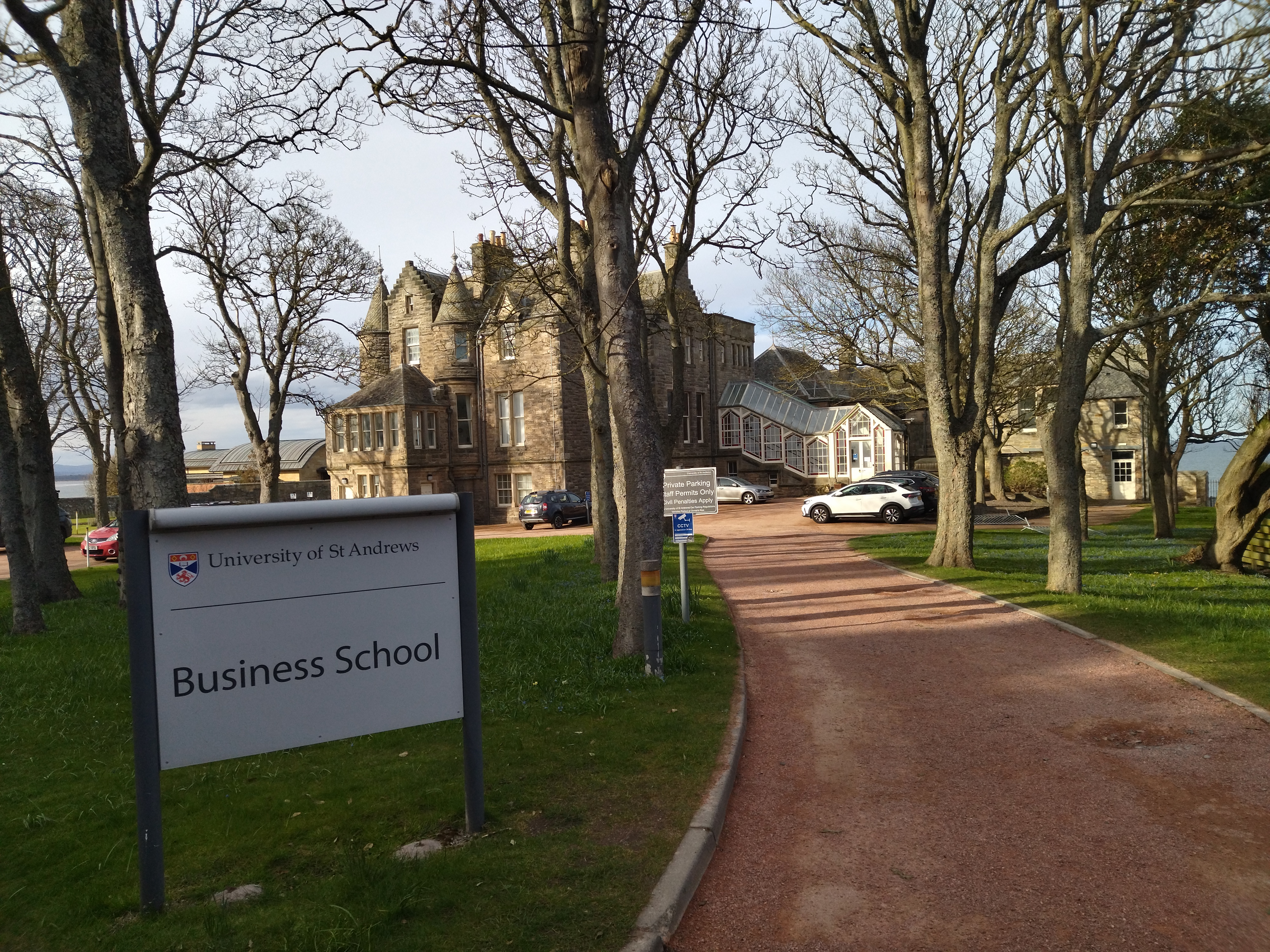
As emphasized in our whitepaper, assembling the right ecosystem is crucial to accelerating the tangible impact of Net Positive initiatives. This requires a strategic blend of technology companies, academic research institutions, and agile startups, all collaborating to co-create innovative solutions. We've put this concept into practice through our collaboration with the city of Cagliari, partnering with the local business school, emerging startups, and seasoned industry experts. All efforts are focused on developing novel solutions to transform Cagliari into a pioneering Net Positive City.

Our collaboration with the University of Cagliari's "Design Thinking Lab for Impact" embodies this approach. Under the direction of Prof. Chiara Di Guardo and with the expertise of Professors Elona Marku and Maryia Zaitsava, this workshop fosters student creativity, utilizes enterprise experience, and leverages startup agility. Against the vibrant backdrop of Sardinia’s coast, we facilitated intensive brainstorming sessions.
Our main objective was to create innovative options for Cagliari to adopt a Net Positive identity, using cutting-edge technologies, particularly AI and Fujitsu Social Digital Twin. Lee Omar, CEO at Red Ninja, played a key role in applying Design Thinking methodologies, leading to the creation of several compelling concepts. The University of Cagliari students, through their rigorous engagement, developed two particularly captivating ideas focused on urban tourism and student safety.
An urban well-being case: Student safety
One concept aims to enhance the well-being and safety of students in Cagliari, especially international students or newcomers who may be less familiar with specific neighborhoods. Students Laura Addis, Iside Barone, Simone Corrias, Karine Asatryan, and Ramin BenMoussa conducted in-depth stakeholder interviews, revealing that public events can sometimes present unforeseen risks. Their proposed solution uses Fujitsu Social Digital Twin technology to predict potential risks, guide students along safe routes, and enable them to explore the city securely.

A core feature of this solution is a "digital rehearsal" capability, which seamlessly merges multiple data layers to generate sophisticated models that suggest optimal planning for secure routes. The effectiveness of these simulations depends on the quality and quantity of the underlying data. The student team meticulously identified key information sources, including georeferenced crime reports, real-time public lighting status, sentiment analysis data, and social well-being metrics. The real power of this solution lies in its ability to shuffle and process vast amounts of diverse data through digital rehearsals, creating predictive models for future scenarios. For further understanding of digital rehearsal's potential, watch this insightful video:
Generating tourism handprints: Innovation through data and ecosystems
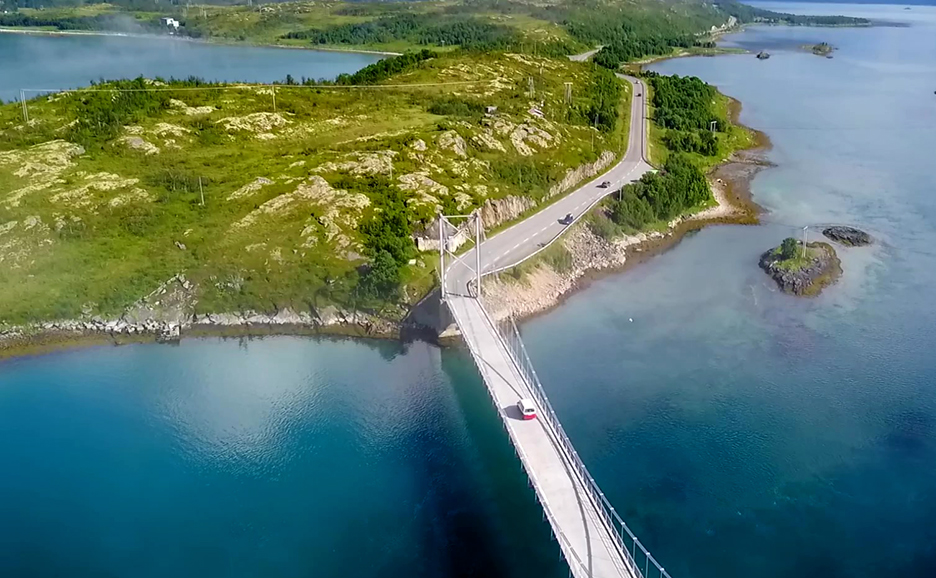
Sardinia and Cagliari are recognized worldwide as premier holiday destinations. This unique backdrop inspired students Chada Abassi, Issam El Jaout, Alessio Montisci, and Katarzyna Mosiejczuk to conceptualize how Cagliari could generate "handprint" positive impacts through tourism. To further inspire innovative mobility solutions, we shared a video detailing our work with the Fujitsu Social Digital Twin team and Beryl in Norwich, UK, showcasing tangible real-world applications.
Catering to a diverse audience, including business travelers and tourists aged 18 to 45, is challenging. However, by harnessing the analytical power of data and the predictive capabilities of Fujitsu Social Digital Twin's digital rehearsal functionality, it becomes possible to seamlessly combine real-time schedules, comprehensive price comparisons, detailed CO2 emissions data, and personalized booking offers. Additionally, leveraging various data sources could create "culinary roads," guiding tourists to explore local gastronomy while discovering the city's unique beauty and cultural events.
While the underlying technology is available and robust, stakeholder commitment to collectively implement, share, and promote these solutions needs to be promoted with net positive initiatives. This collaborative spirit ensures technological innovation translates into tangible societal benefits.
Conclusion
The journey towards Net Positive Cities represents a significant strategic undertaking, requiring a holistic approach integrating advanced technological capabilities with robust ecosystem partnerships and a clear vision for regenerative urban development. At Fujitsu, we are dedicated to helping city executives and their partners navigate this transformation. Our strength lies in our collaborative ecosystem, combining deep technological expertise with a robust framework for multi-stakeholder engagement.
We co-create tailored solutions by partnering closely with city executives and local stakeholders, providing the foundation for cities to transition from fragmented systems to integrated ecosystems, from active governance to predictive management, and from general services to personalized experiences. Our aim is to create safer, more resilient, and enduringly livable cities for everyone.
To explore how Fujitsu can support your organization's journey in urban innovation, please contact us: https://mkt-europe.global.fujitsu.com/Fujitsu_Thought_Leadership_Contact

cristiano.bellucci@fujitsu.com
https://www.linkedin.com/in/cristianobellucci
Related information
You May Like





Editor's Picks